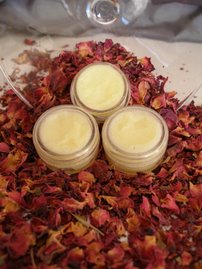
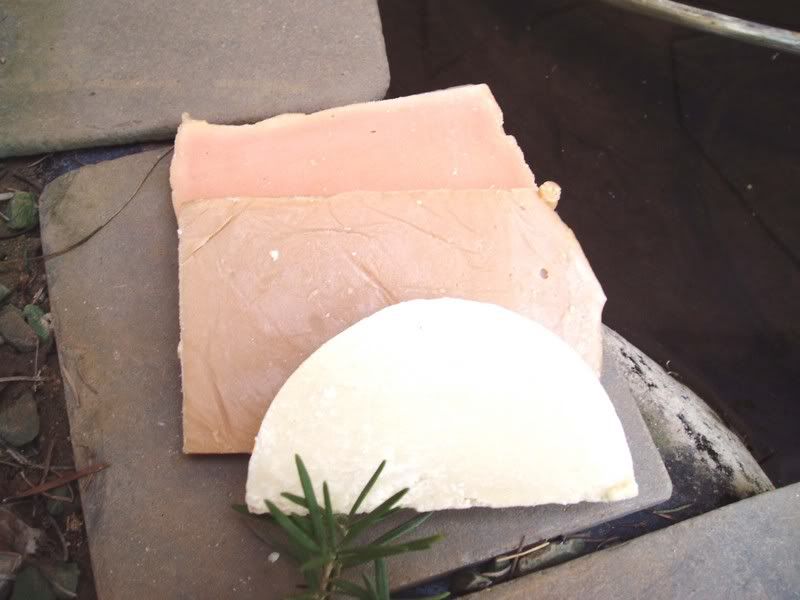
Shea is a wonderful natural butter that has been used for ages in Africa to help with exzema, dry skin, for soap making, cooking and much more. Its traditional uses and extraction are very much apart of the African Culture.
Shea Butter comes from trees in the West Savannah of Africa, these trees are wild and not propagated, irrigated or fertilized. In fact in Africa these trees do not propagate well. These trees are a highly substainable crop because of this, and a very enviromentally positive crop.Traditionally when it comes time to gather the crop many people will walk miles to where the trees grow wild to collect the nuts. They then remove the butter in a cooking and stirring process over hours and days. This process is done by the women as it has been done for ages.
More recently the times have changed and after the nuts are gathered they are sold off to European Middlemen for much lower prices. These nuts are taken to have the butter chemically extracted. Then the butter is sold for a profit for the middleman.
The Traditional method makes sure that the people of Africa (typically poor women) get fair prices for their product while creating a higher quality product. It is more time consuming and expensive, but it is worth it for the positive effect it has on the enviroment and the local people. This Type of Shea Butter is sold as Fair Trade.
Shea Butter is wonderful for many skin conditions and can be used in place of a lotion or as an additive to many bath and beauty products, including soap.
Showing posts with label Ingredients. Show all posts
Showing posts with label Ingredients. Show all posts
Tuesday, June 12, 2007

Friday, May 11, 2007
Lets not Lye
While I know that I touched on this in what is soap I continue to find false statements being made by so many soap makers about lye, so I felt it needed it's own seperate blog.
What is Lye? Lye is a a caustic alkaline also know as sodium hydroxide or potassium Hydroxide. It is a true base which makes it caustic to the skin in its natural state. But don't let this scare you, as it is a common ingredient in many products you use every day from soap, to glass making and even food preparation.
The most common way to get Lye (Sodium Hydroxide) is from the chlorakali process, a form of desalanization of sea water. But in the past it was created by using wood ash this created a slightly different version of Lye but it was still the same strong base, this Potassium Hydroxide can still be made at home today http://www.wikihow.com/Make-Lye.
The difference between Sodium Hydroxide and Potassium Hydroxide is the salt in each mixture that helps to create two unique forms of soap, Sodium Hydroxide is used to make bar soap while Potassium Hydroxide is used to make soft soaps.
Lye because of its alkalinity when mixed with a fat causes the chemical structure to break up and change the properties of the ingredients. The by-product is glycerin and soap.
Since glycerin is a very sought after byproduct some large companies remove it from their bar soaps and re-sell it as a single product or in the form of glycerin soap.
Lye might sound scary and while it does require extra care in it's natural form it is not dangerous or bad in a high quality soap, in fact, because of the process of saponication (the term for the chemical reaction between the fats and lye) if done correctly the Lye no longer chemically remains in the final soap.
Don't let some people scare you -- Lye is a great ingredient that has gotten a bum wrap. Also know that without it you can not have soap, instead you only have a detergent bar. Now enjoy some homemade, well crafted soap in the knowledge that this great product is a part of our history.
What is Lye? Lye is a a caustic alkaline also know as sodium hydroxide or potassium Hydroxide. It is a true base which makes it caustic to the skin in its natural state. But don't let this scare you, as it is a common ingredient in many products you use every day from soap, to glass making and even food preparation.
The most common way to get Lye (Sodium Hydroxide) is from the chlorakali process, a form of desalanization of sea water. But in the past it was created by using wood ash this created a slightly different version of Lye but it was still the same strong base, this Potassium Hydroxide can still be made at home today http://www.wikihow.com/Make-Lye.
The difference between Sodium Hydroxide and Potassium Hydroxide is the salt in each mixture that helps to create two unique forms of soap, Sodium Hydroxide is used to make bar soap while Potassium Hydroxide is used to make soft soaps.
Lye because of its alkalinity when mixed with a fat causes the chemical structure to break up and change the properties of the ingredients. The by-product is glycerin and soap.
Since glycerin is a very sought after byproduct some large companies remove it from their bar soaps and re-sell it as a single product or in the form of glycerin soap.
Lye might sound scary and while it does require extra care in it's natural form it is not dangerous or bad in a high quality soap, in fact, because of the process of saponication (the term for the chemical reaction between the fats and lye) if done correctly the Lye no longer chemically remains in the final soap.
Don't let some people scare you -- Lye is a great ingredient that has gotten a bum wrap. Also know that without it you can not have soap, instead you only have a detergent bar. Now enjoy some homemade, well crafted soap in the knowledge that this great product is a part of our history.
Tuesday, March 27, 2007
Grapeseed Oil
We are proud to introduce our guest writer program great articles on bath and body written by my fellow B&B makers.
This week we have Stephanie from Spoiled Rotten http://BathAndBodyBoutique.etsy.com
Why do I love Natural Plant Oils? Let me count the ways…
Grape Seed Oil is called a vegetable oil, but it is actually oil that comes from the seeds of grapes; a byproduct of wine making. It has many uses and benefits, but my favorites are those related to skin health.
Grape Seed Oil contains antioxidants, which are known for protecting healthy skin cells from free radicals, (molecules that cause cell damage); vitamins c, e, d, beta-carotene, and fatty acids, (all of which benefit our skin).
Grape Seed Oil is said to reduce stretch marks, repair sun damage and heal wounds. It is very easily absorbed by our skin and is therefore incredibly hydrating and moisturizing without leaving any greasy residue behind.
Grape Seed Oil is considered a mild astringent, which means it tightens and tones the skin. It reduces bacteria, viruses, and inflammation of the skin. It is noncomedogenic, which means that it will not clog skin pores. For these reasons grape seed oil is acceptable for the acne prone.
Look for Grape Seed Oil (Vitis Vinifera) in your bath and body products and let your skin drink it up.
Check out this great lotion with Grapeseed Oil from Natural Body Spa
http://www.etsy.com/view_listing.php?listing_id=5636841
This week we have Stephanie from Spoiled Rotten http://BathAndBodyBoutique.etsy.com
Why do I love Natural Plant Oils? Let me count the ways…
Grape Seed Oil is called a vegetable oil, but it is actually oil that comes from the seeds of grapes; a byproduct of wine making. It has many uses and benefits, but my favorites are those related to skin health.
Grape Seed Oil contains antioxidants, which are known for protecting healthy skin cells from free radicals, (molecules that cause cell damage); vitamins c, e, d, beta-carotene, and fatty acids, (all of which benefit our skin).
Grape Seed Oil is said to reduce stretch marks, repair sun damage and heal wounds. It is very easily absorbed by our skin and is therefore incredibly hydrating and moisturizing without leaving any greasy residue behind.
Grape Seed Oil is considered a mild astringent, which means it tightens and tones the skin. It reduces bacteria, viruses, and inflammation of the skin. It is noncomedogenic, which means that it will not clog skin pores. For these reasons grape seed oil is acceptable for the acne prone.
Look for Grape Seed Oil (Vitis Vinifera) in your bath and body products and let your skin drink it up.
Check out this great lotion with Grapeseed Oil from Natural Body Spa
http://www.etsy.com/view_listing.php?listing_id=5636841
Subscribe to:
Posts (Atom)